Address
304 North Cardinal St.
Dorchester Center, MA 02124
Work Hours
Monday to Friday: 7AM - 7PM
Weekend: 10AM - 5PM

Address
304 North Cardinal St.
Dorchester Center, MA 02124
Work Hours
Monday to Friday: 7AM - 7PM
Weekend: 10AM - 5PM

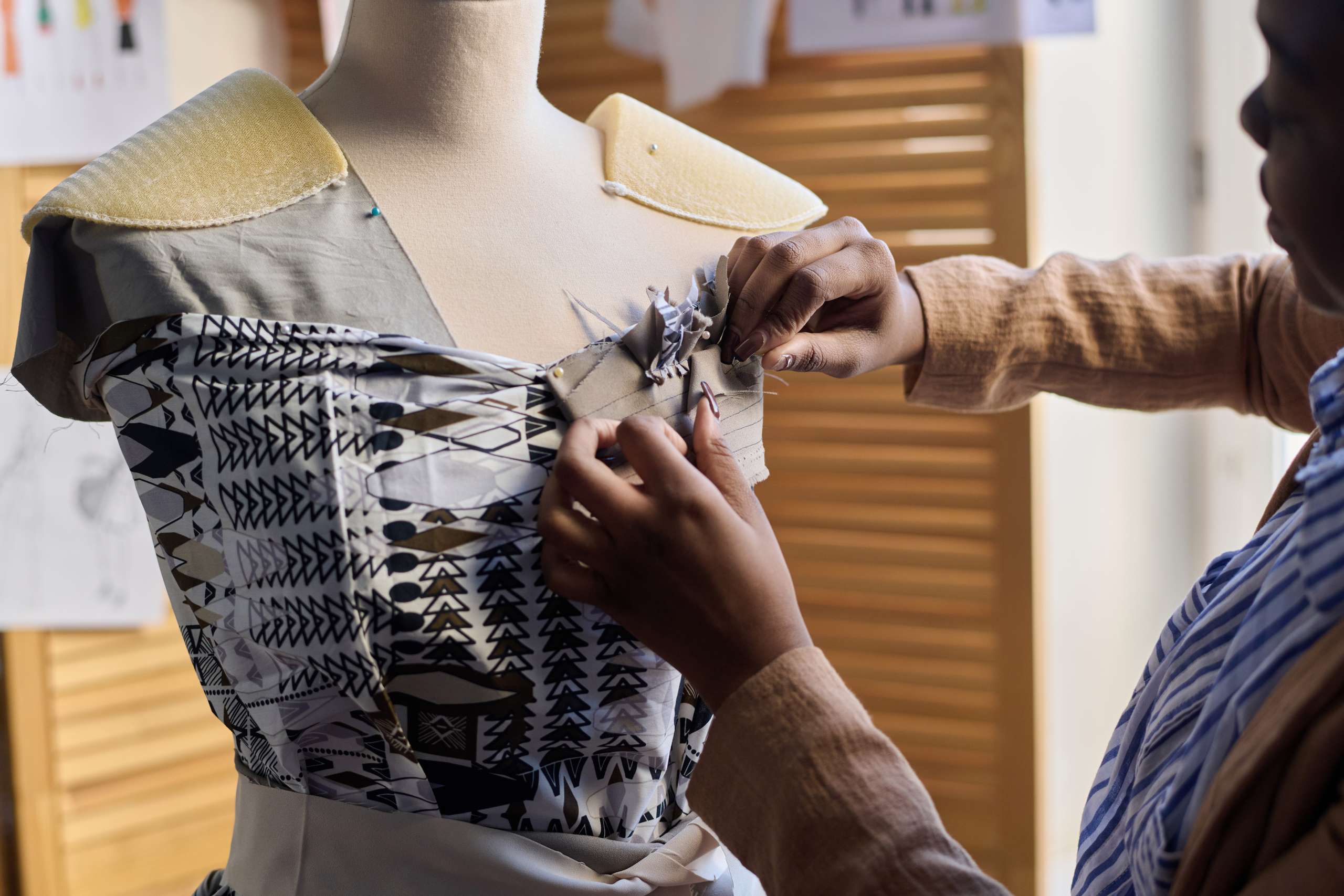
When it comes to designing clothes, shape comes first. Before fabric, pattern, or even a precise drawing, the overall outline of the garment dictates the visual effect and its behavior on the body. New designers often run to the details, the buttons and bows and topstitching. But those details will only be successful if the underlying silhouette is successful. Consider a coat in the shape of a triangle, or a dress in the shape of a column. You can identify the garment before you add any details. Learning to see shape and silhouette is one of the most important habits you can cultivate as a fashion designer. Here’s a very simple way to get started: Look at a garment and try to ignore the fabric and the color. Just look at the outline of a jacket or a skirt or a shirt.
One very useful exercise is a quick sketch. Take a piece of paper and draw the outline of a garment in under 30 seconds. Don’t draw any details inside the outline. Do this exercise several times, with different shapes. A coat with big shoulders. A dress with a tiny waist. A shirt with enormous sleeves. A pair of pants with an outrageously long inseam. This exercise will help you learn proportion and balance. When you’ve done several sketches, compare them. Which ones look stable? Which ones look awkward or top-heavy? One of the most common mistakes beginning designers make is designing garments that might look great on paper but wouldn’t look so great on the body.
The sleeves might be too long, or the skirt might be a shape that wouldn’t hold up because of gravity and the weight of the fabric. The fix is simple: Always imagine a garment on the body before you add styling details. Ask yourself if the shape would still work if the garment were made of fabric. If you’re not sure, go back and simplify the shape.
Good designs often start with shapes that are simple and stable rather than complex. It’s better to practice a little bit at a time than to practice for a long time once in a while. You can make great progress in just 15 minutes with a pencil if you know how to structure your practice. Start by sketching three garments entirely from memory. Then spend a few minutes observing the shape of an actual garment near you. Then sketch the garment again, exaggerating one element, make the shoulders wider than they really are, or the skirt longer. This little exercise will help your eye understand how proportion affects the character of a garment.
Finally, end your practice by studying your sketches for a minute in silence. See if you can tell which shapes look most in balance. You’ll know you’re getting the hang of it when you start to see silhouette wherever you look. When you walk through a store full of clothes, or look at fashion pictures, you’ll start to notice the silhouettes. You’ll see garments that are mostly about width, and garments that are mostly about narrow, vertical lines. Practicing the silhouette will help you develop the habit of thinking about clothes as shape rather than details. And over time, you’ll find it becomes much easier to design those details, the fabric, the seams, the buttons and bows, because the overall shape of the garment is already doing most of the work of the design.